Urban Rise India: The Definitive Guide
Welcome to the ultimate encyclopedia of Urban Rise India – the groundbreaking urban construction and simulation game that has taken India’s mobile gaming scene by storm. Developed for players who dream of building, managing, and expanding their own metropolitan cities, Urban Rise India blends realistic city dynamics with uniquely Indian cultural elements, making it a favorite among millions across the country.
Whether you’re a seasoned player looking to refine your strategies or a newcomer eager to learn more, this guide covers every aspect of Urban Rise India – from its core gameplay mechanics to its massive player base, from localized events to expert tips from top Indian gamers. Let’s dive in!
Introduction to Urban Rise India 🌆
Urban Rise India launched in 2023 as a localized version of the global hit "Urban Rise," tailored specifically for the Indian market. Developed by a team of international game designers in collaboration with Indian cultural experts, the game aims to capture the essence of India’s urban growth – from the bustling streets of Mumbai to the historic lanes of Delhi, from the tech hubs of Bangalore to the coastal beauty of Chennai.
The game’s core mission is simple: start with a small plot of land and transform it into a thriving megacity. But what sets Urban Rise India apart is its focus on authenticity. Players don’t just build generic skyscrapers – they construct chawls, temples, local markets (haats), metro stations, and even Bollywood studios, reflecting the diverse urban landscape of India.
Within two years of its launch, Urban Rise India has become a cultural phenomenon. It’s not just a game; it’s a platform where players express their vision of India’s urban future, blending tradition with modernity. From managing monsoon drainage systems to organizing Diwali celebrations, every aspect of the game resonates with Indian players’ daily experiences.
Gameplay Mechanics 🎮
Core Building System
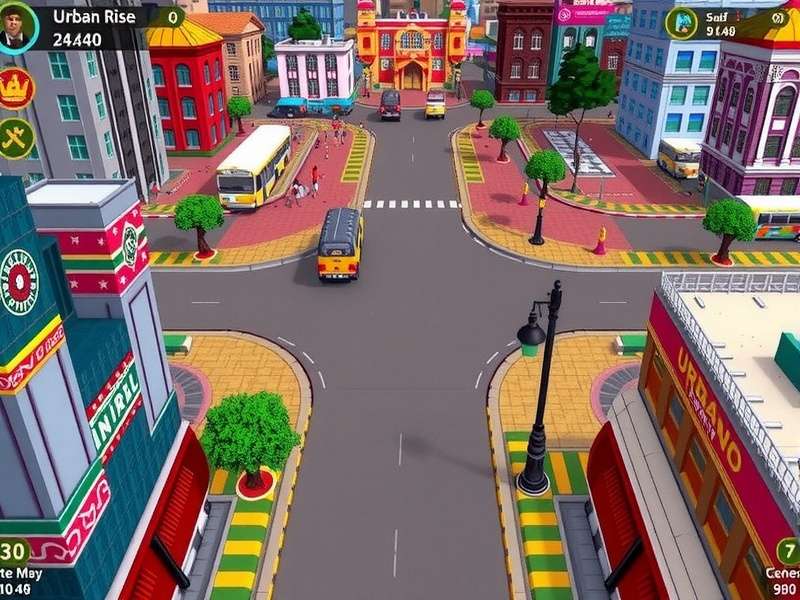
At its heart, Urban Rise India is a city-building simulation where players start with basic resources (money, building materials, and land) and gradually expand their city. The game uses a tiered progression system: begin with rural areas, move to suburban zones, and eventually unlock urban and metropolitan districts.
Each building serves a specific purpose: residential structures (from slums to high-rises) house citizens, commercial buildings (shops, malls, offices) generate income, industrial zones produce goods, and public facilities (schools, hospitals, parks) improve citizen happiness. Balancing these zones is key – neglecting hospitals, for example, leads to sick citizens and reduced productivity.
Unique to Urban Rise India is the "Heritage Zone" feature. Players can preserve and restore historic structures (like havelis or ancient temples) within their cities, which boosts tourism and cultural pride. This adds a layer of strategy: preserving heritage often limits space for modern development, forcing players to make tough choices.
Resource Management
Resources in Urban Rise India are deeply tied to India’s economic realities. Players manage not just money, but also water (critical in a country with monsoon seasons), electricity (with options for solar, coal, or hydro power), and waste disposal. During dry seasons, water scarcity can cripple a city, while monsoons bring flooding risks – requiring players to build proper drainage systems.
Another key resource is "Public Trust," earned by addressing citizen needs (like reducing pollution or improving public transport) and lost through corruption (a temptation when quick cash is needed). High Public Trust unlocks special government grants and events, while low trust can lead to protests or even strikes, halting construction.
Transportation & Connectivity
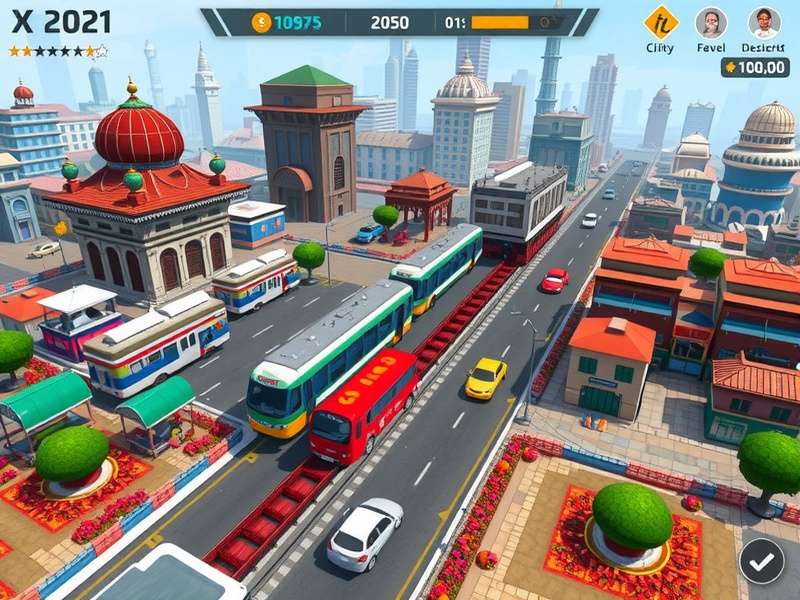
India’s urban chaos is reflected in Urban Rise India’s transportation challenges. Players must build road networks that handle rickshaws, cars, buses, and trucks – but congestion is a constant threat. Unlocking the metro system is a milestone, but it’s expensive and requires careful planning to connect key zones.
Regional connectivity is also important. Building airports or railway stations links your city to other in-game Indian cities, boosting trade and tourism. For example, connecting your Mumbai-based city to Delhi unlocks special cargo missions, while linking to Goa increases tourist arrivals during peak seasons.
Social & Multiplayer Features
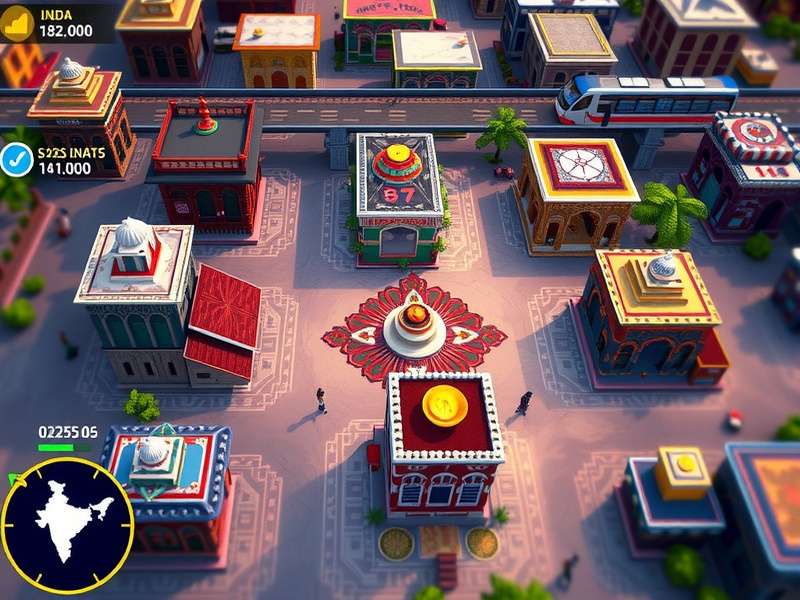
Urban Rise India isn’t a solo experience. Players can join "Municipal Corporations" – guilds of up to 50 players – to collaborate on large projects (like building a national highway or a dam). Corporations can compete in weekly challenges, such as "Cleanest City" or "Highest GDP," with rewards like exclusive building blueprints.
Friends can visit each other’s cities, leave tips, or even "trade" resources (e.g., sending extra cement to a friend whose city is in a construction boom). There’s also a "Mayor’s Market" where players can sell excess goods (like textiles or electronics) to other cities, simulating India’s inter-city trade networks.
Localization: What Makes Urban Rise India Unique to India 🌟
Language Support
Unlike many global games that offer only English, Urban Rise India supports 11 Indian languages, making it accessible to non-English speakers. Players can choose from Hindi, Bengali, Tamil, Telugu, Marathi, Gujarati, Kannada, Malayalam, Punjabi, Odia, and Urdu. This has been a key factor in its widespread adoption – especially in Tier 2 and Tier 3 cities where regional languages dominate.
The language support isn’t just translation; it’s localization. For example, in Tamil, the game uses colloquial terms for "water tank" (கண்ணీటி தொட்டி) or "market" (சந்தை), while in Hindi, it includes phrases like "jugaad" (जुगाड़) to describe creative problem-solving – a concept deeply rooted in Indian culture.
Cultural Elements & Events
Urban Rise India’s developers worked closely with cultural anthropologists to embed Indian traditions into the game. Here are some standout examples:
- Religious Structures: Players can build temples (Shiva, Vishnu, Durga), mosques, gurdwaras, and churches, each with unique benefits. A Shiva temple, for instance, increases citizen calm during crises, while a gurdwara boosts community spirit.
- Festivals: The game hosts in-game events for major Indian festivals. During Diwali, players decorate their cities with diyas and rangolis to earn "Prosperity Points." Holi brings color-themed challenges, and Eid events focus on community feasts.
- Food Culture: Local eateries like dhabas, vada pav stalls, and biryani joints are more profitable than generic restaurants. Players can even host "Food Festivals" featuring regional cuisines (e.g., a Chettinad food fair in Tamil Nadu-inspired cities).
- Clothing & Lifestyle: Citizen avatars reflect diverse Indian attire – from sarees and kurtas to lungis and turbans. Seasonal changes (like summer heatwaves) prompt citizens to switch to lighter clothing, adding a layer of realism.
Regional Variations
India’s diversity is mirrored in Urban Rise India’s regional maps and challenges. When starting a new city, players choose a region, each with unique terrain, resources, and hurdles:
North India (Delhi, Punjab): Colder winters require heating infrastructure. Rich in agricultural land but prone to fog disrupting transport.
West India (Mumbai, Gujarat): Coastal cities face cyclone risks but benefit from ports. Dense populations demand efficient public transport.
South India (Bangalore, Chennai): Tech hubs thrive here, with IT parks generating high income. Hot summers require ample water supply and green spaces.
East India (Kolkata, Assam): Heavy monsoons mean flood management is critical. River transport (like ferries) is a cost-effective option.
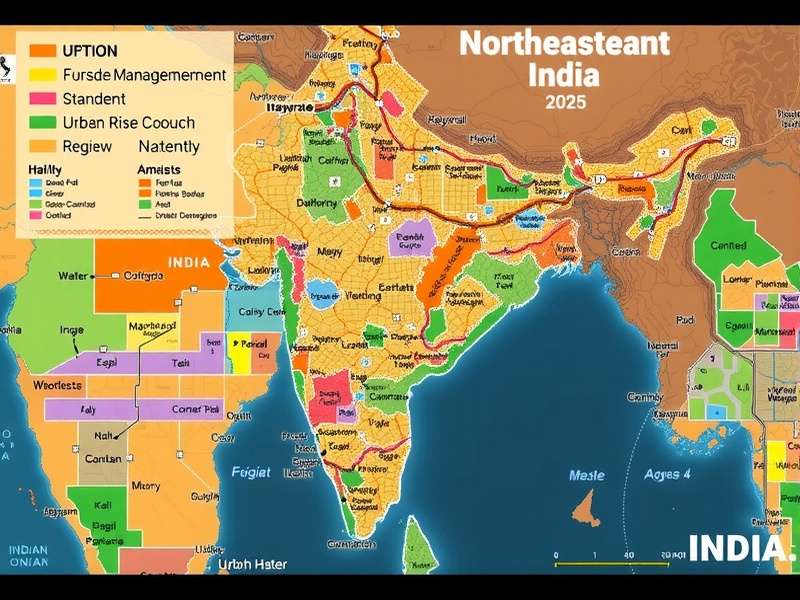
Northeast India: Hilly terrain makes construction costly, but natural beauty boosts tourism. Players must balance development with preserving biodiversity.
International vs. Indian Version
While the global "Urban Rise" focuses on Western urban dynamics, Urban Rise India is tailored for local players. Key differences include:
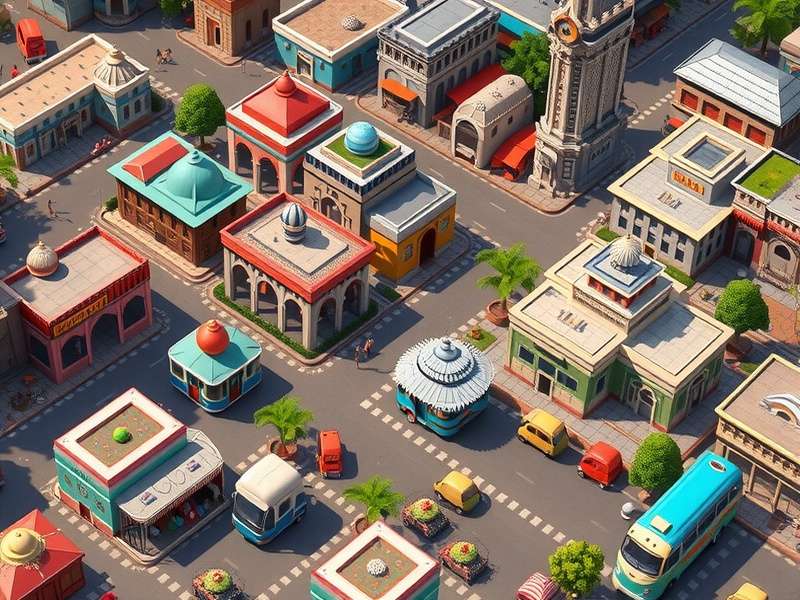
- Building Types: International versions feature skyscrapers and fast-food chains; India’s version emphasizes affordable housing, local markets, and heritage sites.
- Challenges: Global versions focus on snowstorms or wildfires; India’s version highlights monsoons, water scarcity, and overcrowding.
- Economy: The Indian economy in the game relies more on agriculture, textiles, and IT – reflecting real-world strengths – whereas the global version emphasizes manufacturing and finance.
- Social Dynamics: Caste and community play subtle roles in the Indian version (e.g., certain neighborhoods prefer specific types of shops), adding depth to citizen behavior.
Download Statistics & Player Base in India 📊
Key Metrics (As of October 2025)
📱 Total downloads in India: 78.5 million (Android: 72 million; iOS: 6.5 million)
🌍 Active players: 12.3 million daily active users (DAU); 35.7 million monthly active users (MAU)
🏙️ Cities created: Over 150 million unique cities
🗣️ Most popular language: Hindi (42% of players), followed by Tamil (18%) and Bengali (15%)
📍 Top player states: Maharashtra (22%), Tamil Nadu (17%), Uttar Pradesh (15%), Karnataka (12%)
🎮 Average playtime: 47 minutes per day per active user
Download Trends
Urban Rise India saw its first major growth spurt during the 2023 Diwali season, with 10 million downloads in a single month. This was driven by a special Diwali event that offered exclusive "golden temple" blueprints and firecracker animations, which resonated deeply with players.
Another peak came in March 2024, after the game added Bangalore’s tech corridor as a playable region. This update attracted millions of IT professionals, who enjoyed building their own versions of India’s Silicon Valley. Downloads surged by 35% that month, with Karnataka seeing a 60% increase in new players.
The game’s accessibility on low-end Android devices (requiring only 2GB RAM and 500MB storage) has been crucial to its success in rural India. Over 60% of downloads come from devices priced under ₹15,000, making it one of the most inclusive mobile games in the country.
Demographics
Urban Rise India appeals to a broad age range, with 32% of players aged 18-24, 41% aged 25-35, and 27% aged 36 and above. This is unusual for mobile games, which often skew younger – a testament to the game’s cross-generational appeal.
Gender distribution is relatively balanced: 58% male, 42% female. Female players are particularly active in social features, with 65% of Municipal Corporation leaders being women, according to internal data. Many female players cite the game’s focus on community building and cultural events as key attractions.
Occupationally, students make up 35% of players, followed by professionals (28%) and homemakers (22%). This diversity reflects the game’s ability to fit into different daily routines – from short 10-minute sessions during commutes to longer 2-hour sessions on weekends.
Player Reviews & Ratings ⭐
App Store Ratings
On Google Play, Urban Rise India holds a 4.6/5 rating from over 2.3 million reviews. On the Apple App Store, it has a 4.7/5 rating from 380,000 reviews – making it one of the highest-rated simulation games in India.
Common Praises
Players frequently highlight the game’s cultural authenticity. A user from Chennai wrote: "Finally, a city-building game that gets it! The vada pav stalls, the temple festivals, even the way it rains during monsoons – it’s like building my own Chennai. Urban Rise India feels like home."
The localization efforts also earn praise. A Hindi-speaking player from Lucknow noted: "I love that I can play in my mother tongue. The terms are so natural – they didn’t just translate, they understood how we talk. It makes the game so much more immersive."
Multiplayer features are another hit. A Municipal Corporation leader from Pune shared: "Our guild has 50 members from across Maharashtra. We built a virtual highway connecting our cities, and it’s so satisfying to see the teamwork pay off. It’s not just a game; it’s a community."
Criticisms & Improvements
Some players complain about in-app purchase pressure. A user from Kolkata said: "Progress slows down after a certain level, and you feel forced to buy gems to speed things up. I wish there were more ways to earn premium currency without spending real money."
Technical issues, particularly on older devices, are another concern. "The game lags during festivals when there are too many animations," wrote a player from Patna. "My phone isn’t the newest, but it should handle a simulation game without crashing."
The developers have responded to feedback by adding more free gem opportunities (like daily challenges) and optimizing the game for low-end devices in the 2025 August update. Player satisfaction scores rose by 8% following these changes.
Expert Reviews
Indian gaming publications have praised Urban Rise India for its innovation. Gaming India Magazine called it "a masterclass in cultural localization – not just adding Indian elements, but rethinking the game around them." Tech Today noted: "It’s more than entertainment; it’s a reflection of India’s urban aspirations, making it both educational and engaging."
International critics have also taken notice. Global Game Report wrote: "While many games ‘localize’ by changing language, Urban Rise India rebuilds the experience from the ground up. It’s a model for how to adapt global games to local markets with respect and creativity."
Indian Player Strategies & Tips 💡
Beginner’s Guide: Starting Your City
New to Urban Rise India? Follow these tips from top Indian players to avoid common mistakes:
1. Prioritize Water & Sanitation: "Many new players rush to build fancy buildings, but neglect water tanks and toilets," says Ravi, a 3-year player from Hyderabad. "In India’s climate, water scarcity hits fast – build at least two water tanks before expanding residential areas."
2. Balance Heritage & Growth: "Heritage buildings take up space, but they’re worth it," advises Priya from Jaipur. "A single heritage haveli can boost tourism income by 30% in the long run. Place it near a market to maximize foot traffic."
3. Join a Municipal Corporation Early: "Don’t play solo for too long," recommends Amit from Delhi. "Guilds share resources, and you can get help with big projects. Look for a guild with members from your region – they’ll understand your local challenges."
Advanced Strategies: Maximizing GDP & Happiness
For experienced players looking to take their cities to the next level, here are pro tips:
1. Zone Smartly: "Cluster similar buildings to reduce travel time," says Anjali, a top 100 global player from Bangalore. "Put IT parks near high-rise apartments – tech workers don’t want long commutes. Place dhabas and tea stalls along busy roads to cater to workers."
2. Master Festival Events: "Diwali and Holi events give the best rewards," explains Suresh from Chennai. "Start preparing a month early – stockpile decorations and expand your tourism zones. During the event, focus on completing daily challenges for bonus points."
3. Monsoon Management: "Floods can destroy your city if you’re not ready," warns Meena from Kolkata. "Build drainage canals along low-lying areas. Elevate critical buildings (hospitals, power plants) on higher ground. Keep a stock of repair materials – you’ll need them!"
Regional Specialization
Different regions require unique strategies. Here’s how to excel in each:
North India: "Invest in winter heating (like solar-powered heaters) to keep citizens happy," says Karan from Chandigarh. "Agricultural zones thrive here – use them to supply your city’s food needs and export surplus for profit."
West India: "Cyclones are a threat, so build storm shelters and reinforce coastal buildings," advises Neha from Mumbai. "Ports are your biggest asset – connect them to industrial zones to boost exports of textiles and chemicals."
South India: "IT parks generate the most income, but they need lots of electricity," says Arjun from Bangalore. "Build solar farms – sunlight is abundant here, and they’re cheaper than coal plants in the long run."
East India: "Monsoons are intense, so focus on flood-resistant buildings," recommends Raj from Kolkata. "River transport is underrated – ferries are cheaper than roads and reduce congestion."
Local Events & Community Engagement 🎉
Annual In-Game Events
Urban Rise India hosts over 20 annual events tied to Indian festivals and cultural milestones. Here are the most popular:
Diwali Festival (October/November): The biggest event of the year, featuring rangoli design contests, fireworks displays, and a "Lakshmi Pooja" ceremony where players pray for prosperity. Winners get exclusive golden building skins and a "Diwali King/Queen" title.
Holi Celebration (March): Players throw colored powder at each other’s cities to earn "Joy Points," which unlock colorful building decorations. The event ends with a community bonfire (Holika Dahan) that boosts citizen happiness for a week.
Independence Day Special (August 15): Cities compete to hoist the largest national flag, with rewards including a "Tiranga" (tricolor) themed metro station. Players also build monuments to national heroes, earning "Patriotism Points."
Pongal/Makar Sankranti (January): A harvest festival event where players decorate their cities with sugarcane and kites. The "Kite Flying Contest" is a fan favorite – the highest-flying kite wins rare resources.
Offline Community Meetups
The Urban Rise India community isn’t limited to the digital world. Players organize offline meetups in major cities:
- Mumbai Urban Con: Held annually in December, this meetup draws over 2,000 players. Features include city-building workshops, cosplay contests (players dress as in-game characters), and a charity drive where in-game resources are converted to real-world donations for urban development NGOs.
- Delhi Mayor’s Summit: A quarterly gathering of top Municipal Corporation leaders. Players share strategies, vote on community challenges, and even collaborate on real-world urban planning projects (like a recent initiative to clean up local parks).
- Bangalore Tech & Games Fest: A joint event with local tech companies, where Urban Rise India developers showcase upcoming features. Players get hands-on time with new updates and provide feedback directly to the team.
Online Community Platforms
Players connect through various online channels:
- Facebook Groups: The largest group, "Urban Rise India Fans," has over 1.2 million members. Players share city screenshots, ask for help, and organize guild recruitment drives.
- WhatsApp Communities: Regional groups (like "Urban Rise Tamil Nadu" or "Urban Rise Punjab") are popular for real-time coordination during events. Many groups have daily "check-in" traditions where members share their city’s progress.
- Reddit r/UrbanRiseIndia: A hub for memes, strategy guides, and discussions about game updates. The subreddit hosts weekly "City of the Week" contests, with winners featured in the game’s official newsletter.
- YouTube & Instagram: Top players like "CityBuilder Raj" (1.5M subscribers) and "Urban Queen Priya" (800K followers) share tutorials, event previews, and behind-the-scenes looks at their city-building process.
Technical Details & Requirements 🖥️
Device Compatibility
Urban Rise India is designed to run on a wide range of devices, making it accessible to most Indian players:
- Android: Requires Android 8.0 (Oreo) or higher, 2GB RAM, and 500MB free storage. Optimized for both smartphones and tablets.
- iOS: Compatible with iPhone 8 and later, iPad Air 3 and later, and iPad mini 5 and later. Requires iOS 14.0 or higher.
- PC: Can be played on Windows 10/11 via Android emulators like BlueStacks, though this is not officially supported. Many players use this method for larger screens.
Internet Requirements
The game requires a stable internet connection for multiplayer features, events, and cloud saves. However, a "Lite Mode" allows offline play for up to 4 hours, with progress syncing once online. This is crucial for players in areas with spotty connectivity.
Updates & Maintenance
Major updates are released quarterly, with minor bug fixes monthly. Maintenance periods are usually scheduled during early morning hours (2 AM to 5 AM IST) to minimize disruption, as this is when player activity is lowest.
The 2025 roadmap includes: a Northeast India region expansion, a "Smart City" tech update (with AI-powered traffic management), and more regional festivals (like Bihu and Onam).
Future of Urban Rise India 🔮
The developers have big plans for Urban Rise India, with a focus on deeper cultural integration and technological innovation. Here’s what players can expect in the next two years:
1. State-Specific Content: Upcoming updates will add even more regional details, like Kerala’s backwaters (with houseboats as transport) and Rajasthan’s desert cities (requiring water conservation techniques).
2. Real-World Partnerships: Talks are underway with Indian municipal corporations to feature real cities as "template maps." Players could rebuild or improve iconic areas like Mumbai’s Dharavi or Delhi’s Chandni Chowk.
3. ESG Focus: A new "Sustainability Mode" will let players tackle real-world issues like air pollution, plastic waste, and green energy – with partnerships with NGOs to reward in-game sustainability achievements with real-world impact (e.g., planting trees for virtual carbon neutrality).
4. VR Integration: A pilot project for virtual reality support is in the works, allowing players to "walk" through their cities using affordable VR headsets. This is targeted for a 2026 launch, coinciding with India’s growing VR market.
With its focus on authenticity, community, and innovation, Urban Rise India is poised to remain a cornerstone of India’s mobile gaming landscape for years to come. It’s more than a game – it’s a reflection of India’s urban dreams, and a platform where every player can build their vision of the future.